
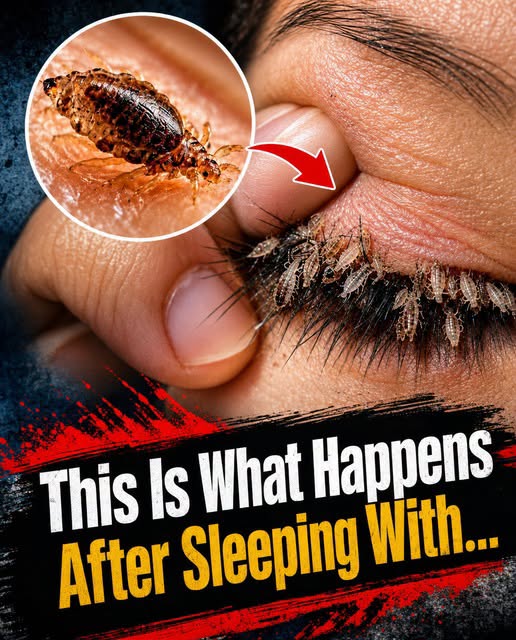
A persistent itch in a sensitive area can trigger immediate worry, especially when it follows a new intimate encounter. The culprit is sometimes a tiny parasite most people have heard whispered about but rarely understand clearly, one that lives in coarse body hair and feeds on small amounts of blood, usually passed through close physical or sexual contact rather than poor hygiene.
That parasite is the pubic louse, often called the crab louse, and it can also settle in the armpits, chest, beard, eyebrows, or eyelashes, not just the genital area. Understanding how it spreads and what it actually looks like can replace fear with practical, calm action.
Recognizing the Signs
The most noticeable symptom is itching or irritation around the affected hair. Lice eggs, called nits, attach firmly to individual hairs and can look like tiny pale or yellowish specks. Some people, however, have few or no symptoms at all.
Because of this, photographs or casual visual checks aren’t a reliable way to confirm an infestation. Pubic lice can resemble other insects, skin debris, or unrelated skin conditions, which is why a proper in-person examination matters.
Common Myths and Misunderstandings
One of the most damaging misconceptions is that pubic lice reflect poor hygiene. In reality, anyone can be affected regardless of how clean they are. The parasites simply require close contact to transfer from one person to another.
Another myth ties an infestation to infidelity or a detailed sexual history. Pubic lice cannot reveal who transmitted them or precisely when transmission happened, so assuming blame or timeline from an infestation alone isn’t accurate or fair.
It’s also worth noting that pubic lice are distinct from head lice, fleas, ticks, and mites. Confusing them with other pests can lead to the wrong treatment, which is why correct identification comes first.
Diagnosis and Treatment
Anyone who suspects they have pubic lice should consult a healthcare professional or a sexual-health clinic. A proper examination allows for accurate diagnosis and guidance on the most appropriate treatment.
The condition is treatable, and there’s no need for embarrassment when seeking help. Early attention tends to make the process simpler.
To prevent reinfestation, it helps to follow treatment instructions closely, wash or otherwise decontaminate clothing and bedding, and let intimate partners know so they can be checked as well. Taking these steps together offers the most reliable path to resolving the issue safely and moving forward with confidence.










Leave a Reply