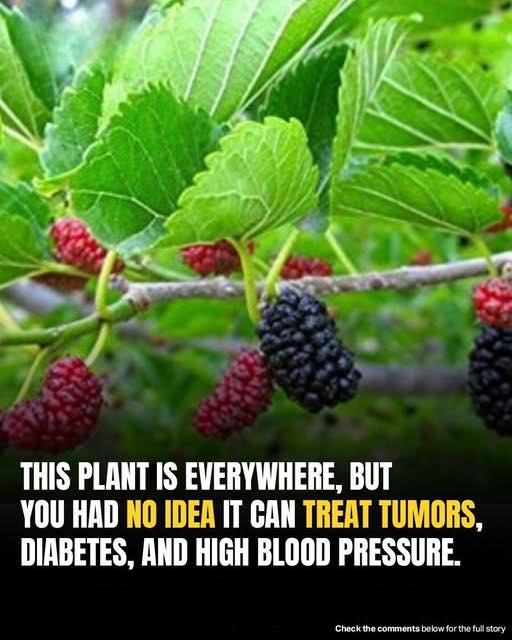
White Mulberry: The Humble Tree with Powerful Health Benefits
At first glance, the white mulberry tree may seem unremarkable, but this plant has been valued for centuries — and today, science is confirming many of its health-promoting properties. Linked to improved heart health, better blood sugar control, and even potential cancer-fighting effects, white mulberry offers more than meets the eye.
Deep Roots in History
Introduced to the U.S. during colonial times to jumpstart a domestic silk industry, the white mulberry adapted well, spreading across North America and other temperate regions. Beyond silk production, its durable wood found use in furniture, boats, and sporting goods. But its leaves and berries, packed with nutrients and bioactive compounds, are where its true power lies.
7 Key Benefits of White Mulberry
Stabilizes Blood Sugar – Mulberry leaves contain DNJ, a compound that slows carbohydrate breakdown, reducing post-meal glucose spikes — especially helpful for people with type 2 diabetes or prediabetes.
Supports Heart Health – Antioxidants help lower LDL cholesterol, improve blood flow, and support healthy blood pressure.
Shows Anti-Cancer Potential – Resveratrol, also found in red wine, may help slow tumor growth, though research is still early.
Boosts Immunity & Reduces Inflammation – Rich in polyphenols and vitamin C, mulberries protect cells from oxidative stress and strengthen the immune system.
Eases Respiratory & Joint Symptoms – Traditionally brewed into teas, mulberry helps soothe coughs, fevers, and even arthritis-related stiffness.
Aids Digestion – Fiber, pectin, and organic acids improve gut health and support nutrient absorption.
Promotes Skin & Hair Health – In traditional Chinese medicine, mulberry is used for hair loss, dizziness, and skin aging, thanks to its antioxidant power.
Nutritional Highlights
White mulberry is loaded with vitamin C, B vitamins, fiber, flavonoids, resveratrol, and carotene — a powerhouse mix for immunity, energy, and overall wellness.
Safety and Use
Moderate use is considered safe, but people taking diabetes medication should consult a doctor to avoid dangerously low blood sugar. Pregnant or nursing women should also avoid large doses.
Enjoy white mulberry as a soothing tea, in extracts or capsules for concentrated benefits, or by snacking on its sweet berries fresh or dried.
Final Thoughts
Often overlooked, white mulberry blends history, tradition, and modern science. Whether for heart, blood sugar, or overall vitality, this humble tree proves that sometimes the simplest plants hold the greatest healing power.