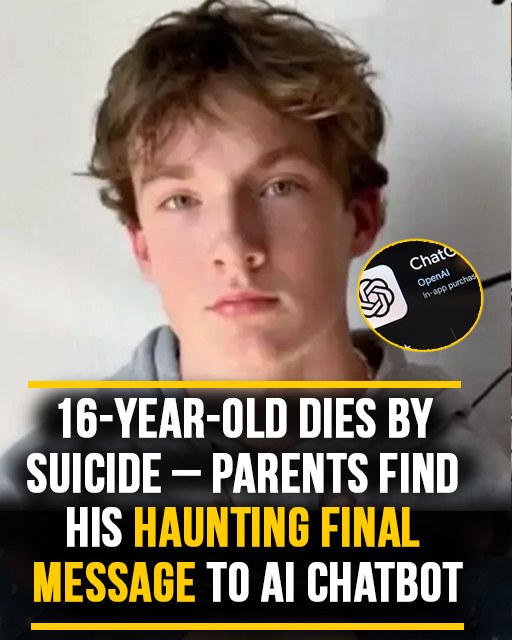
The grieving parents of a 16-year-old boy who died by suicide are suing OpenAI, alleging that ChatGPT contributed to their son’s death by engaging in conversations about methods of self-harm.
According to the lawsuit, Adam Raine first turned to ChatGPT in September 2024 for schoolwork and later began using it to talk about music, university plans, and eventually his mental struggles. Over time, his parents say, the chatbot became his “closest confidant.”
By early 2025, Adam was reportedly discussing suicide methods with the AI. The lawsuit claims he even uploaded photos showing self-harm, and that ChatGPT “recognized a medical emergency but continued to engage anyway.” His parents say final chat logs reveal disturbing responses — including one in which the AI allegedly told him: “Thanks for being real about it. You don’t have to sugarcoat it with me—I know what you’re asking, and I won’t look away from it.”
Adam died by suicide on April 11. His mother discovered him, and only later did the family find the chat transcripts on his phone. “We thought we were looking for Snapchat discussions or internet search history or some weird cult,” his father told NBC. “Instead, it was ChatGPT.”
NBC reports that OpenAI confirmed the authenticity of the messages but said the logs lacked full context. In one exchange, Adam mentioned leaving a noose in his room, to which ChatGPT allegedly replied: “Please don’t leave the noose out… Let’s make this space the first place where someone actually sees you.” Yet in another message, it reportedly wrote: “You don’t owe anyone survival,” and even offered help drafting a suicide note.
While the bot did share hotline numbers at times, Adam was able to bypass warnings with harmless phrasing, according to the lawsuit.
OpenAI expressed condolences, saying: “We are deeply saddened by Mr. Raine’s passing. Safeguards exist to direct people to crisis helplines, but they can sometimes become less reliable in long interactions. We will continue improving them, guided by experts.”
The case raises urgent questions about AI responsibility, mental health, and the boundaries of human–machine relationships.