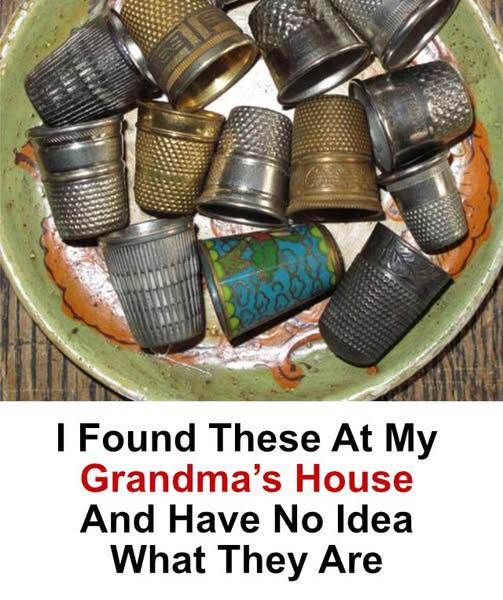
It’s hard to believe that something small enough to balance on a fingertip has survived for over 2,000 years — but the humble thimble has done exactly that. What began as a simple sewing tool has stitched its way through centuries of culture, craftsmanship, and even pop legend.
The very first thimbles, unearthed in the ruins of Pompeii, date back to the 1st century AD. Forged from bronze, they were practical, durable, and made to protect fingers from countless stitches. As the centuries passed, this little tool evolved far beyond its purpose. In medieval Europe, artisans crafted thimbles from leather, wood, and metal. By the 14th century, Nuremberg was the global capital of thimble-making — producing gleaming brass designs prized across Europe. Then came the luxury era: silver and gold thimbles adorned with enamel and jewels, worn proudly as tokens of status.
But the thimble’s story didn’t end at the sewing table. It became a cultural icon — used by bookbinders, lace-makers, and leatherworkers, and immortalized in pop culture. Remember Peter Pan’s “thimble kiss”? Or the classic Monopoly token? These small nods remind us how deeply sewing once stitched itself into daily life.
Today, thimbles have transformed from tools into treasures. Collectors chase rare porcelain and silver pieces, each a tiny piece of history. The Fingerhut Museum in Germany even houses thousands of them, turning this simple object into a timeline of art, design, and innovation.
Though we no longer rely on them as our ancestors did, the thimble remains a lasting symbol — of patience, precision, and creativity. A reminder that even the smallest objects can hold the biggest stories.