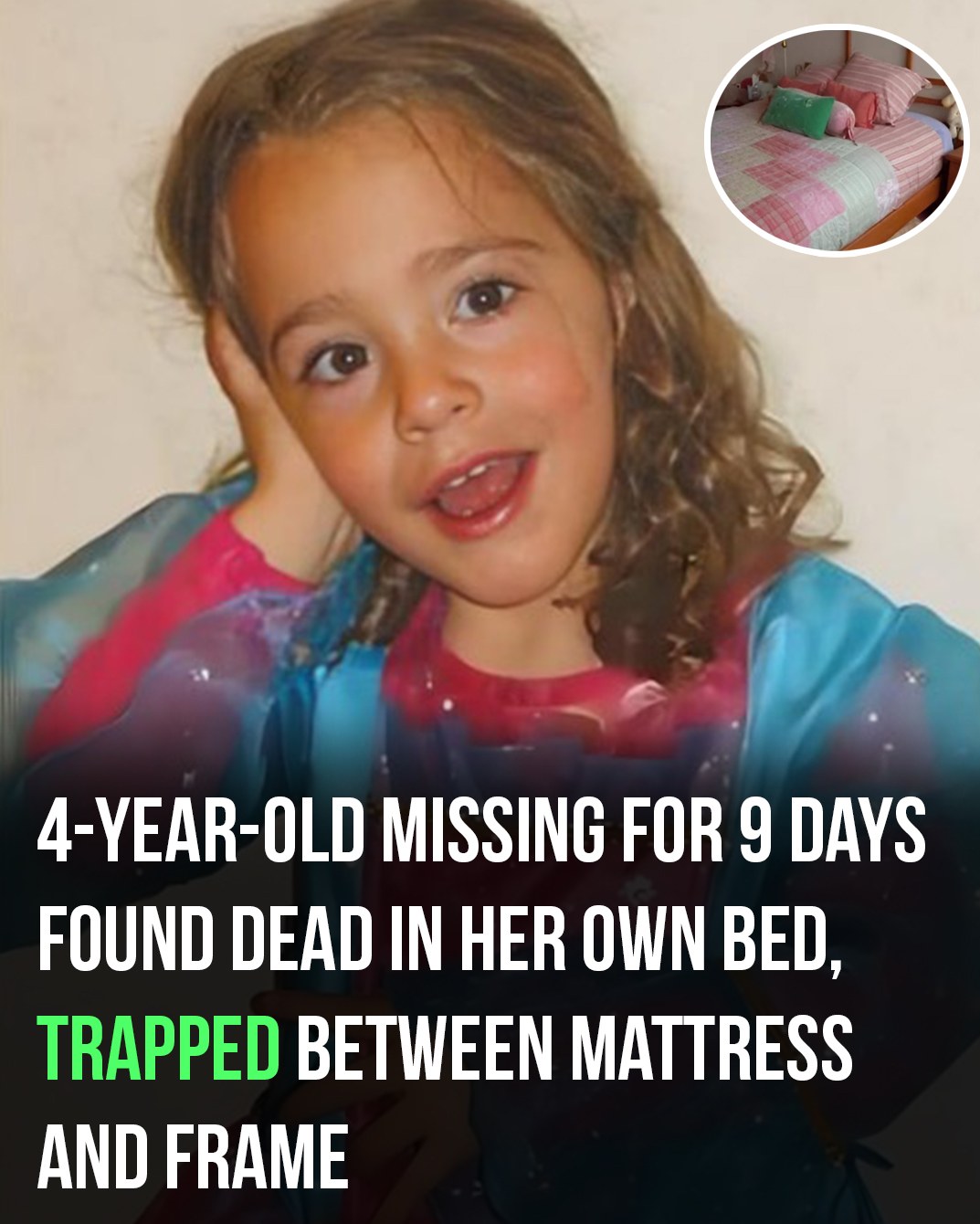
On the night of March 21, 2010, four-year-old Paulette Gebara Farah returned home from a weekend trip in Huixquilucan, Mexico. Her mother, Lizette Farah, tucked her into bed as usual. Paulette, who had developmental challenges affecting her speech and mobility, needed supervision — but no one could have imagined the nightmare that was about to unfold.
The next morning, Paulette was gone. Her bed was empty. Panic gripped the family. Doors were locked, windows secured, security cameras showed no suspicious activity, and there were no signs of forced entry. Could a child with her disabilities really have wandered off alone? Authorities and family immediately launched a massive search — police, volunteers, search dogs, social media campaigns, and media appeals all mobilized to find her. Lizette even appeared on live television, pleading for her daughter’s safe return.
Days turned into a week, and suspicion began to fall inward. Her parents and nannies were scrutinized for inconsistencies in their statements, and investigators reconstructed the night of Paulette’s disappearance in the apartment itself. Yet despite searches, media attention, and even televised interviews conducted in her bedroom, Paulette remained missing.
Then, on March 31, 2010, the unthinkable happened: Paulette’s body was discovered in her own bedroom, hidden in the tiny gap between her mattress and the bed frame, wrapped in blankets and sheets. The revelation stunned the nation. How could so many trained professionals, search dogs, and family members have missed her? Some had even slept in the bed during the search.
The official autopsy ruled her death as accidental mechanical asphyxia, caused by nasal obstruction and compression — essentially, she suffocated while trapped in a confined space. Minor bruises were noted, but no evidence of assault or drugs. Authorities concluded that Paulette likely rolled into the gap while sleeping and became trapped, with no way to free herself.
Yet the public remained skeptical. How could a child vanish from view for nine days in a room thoroughly searched multiple times? Contradictory statements, unexplained oversights, and leaked video footage fueled ongoing debate. The case prompted the resignation of the State Attorney General and sparked a national conversation about accountability, investigation integrity, and the lingering mysteries surrounding Paulette’s death.
In the years since, Netflix dramatized the case in Crime Diaries: The Search (2020), keeping the mystery alive. For many, Paulette Gebara Farah’s story remains a haunting reminder of how tragedy, oversight, and unanswered questions can shake a nation — and why some cases may never truly be resolved.