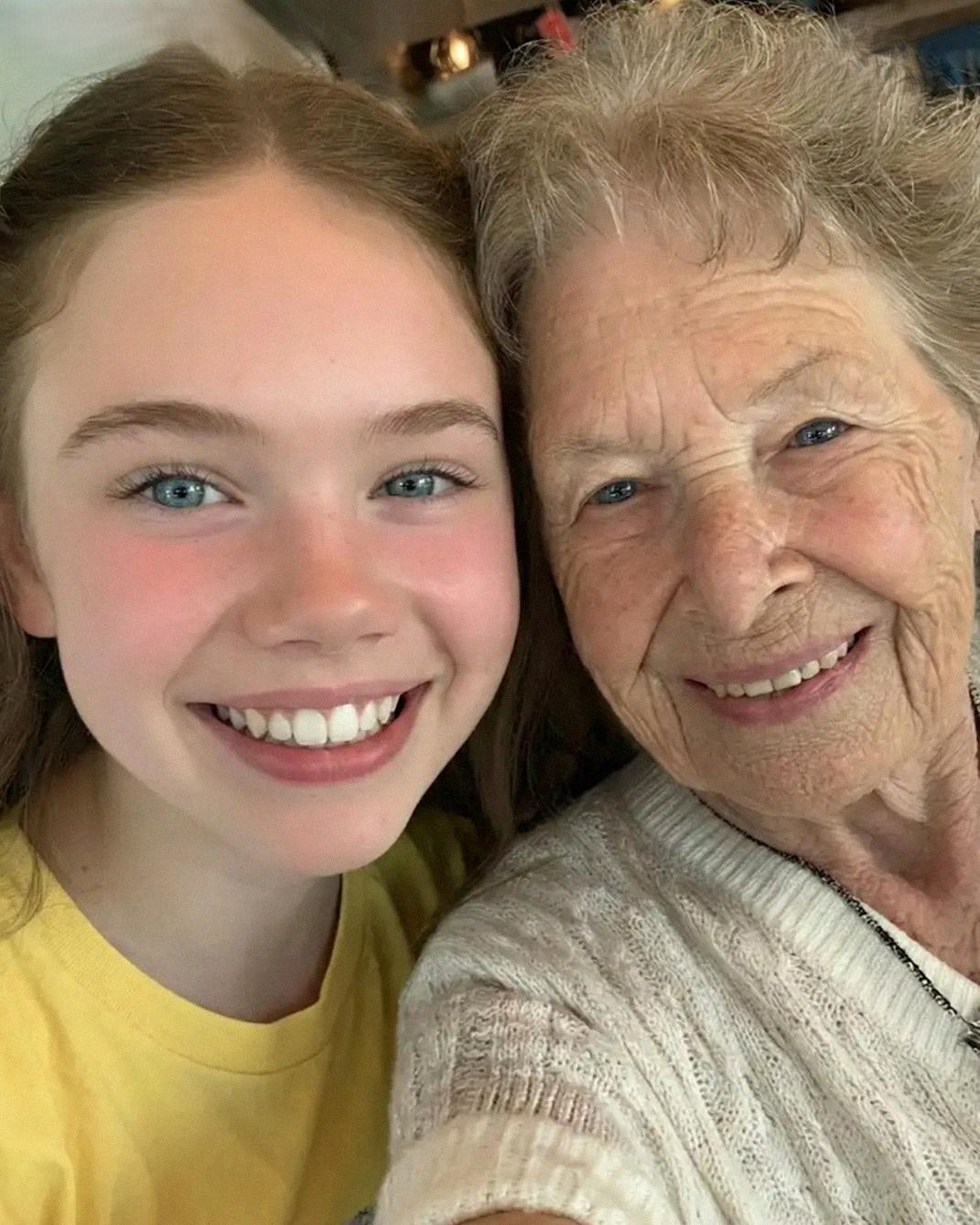
I was thirty-two years old when I discovered that the foundation of my life was built upon a compassionate, necessary fiction. For nearly three decades, I believed I was an orphan, the tragic survivor of a rainy highway collision that had claimed my parents and left me in the care of my grandmother. I had buried three people in my mind: my mother, my father, and finally, the woman who had raised me. But three days after her funeral, as I sat at our cracked vinyl kitchen table, a letter arrived that would dismantle my past and rebuild my future.
The house still smelled faintly of cinnamon and laundry soap, a lingering olfactory ghost of the woman who had occupied it. Her cardigan still hung over the back of the empty chair, its sleeve slipping toward the floor as if it, too, had lost the will to remain upright. Out of a reflexive, haunting habit, I put the kettle on and set out two mugs. It wasn’t until the water began to hum that I realized the second cup was intended for someone who would never drink from it again. I muttered a rejection of the grief, but I made the tea anyway. It was what she would have done.