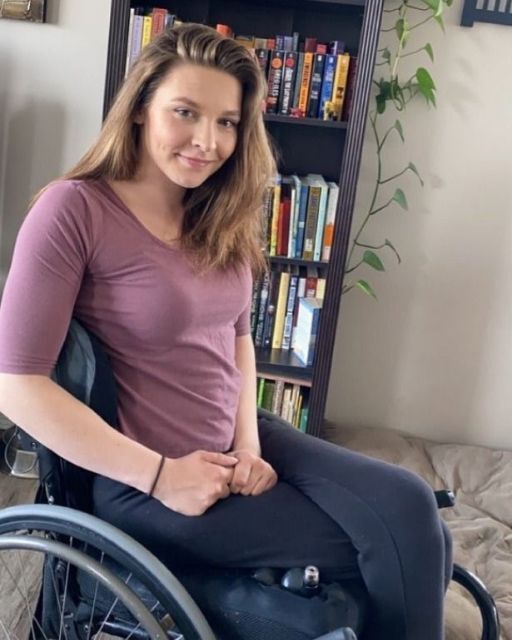
I didn’t cry when they told me I’d never walk again. I just nodded, not wanting sympathy or pity. When the nurse offered part-time help, I refused, saying, “I’ve got it.” But I didn’t. The kitchen was a mess, baths were hard, and utensils kept falling.
Then Saara arrived. She wasn’t what I expected—not overly sweet or pitying. She treated me normally, asking about my coffee and making it like she had for years. I kept her at a distance at first—no personal talk, just help with essentials. But over time, I laughed at her jokes, saved books for her, and even let her in when I broke down over a dropped dish. She understood there was more than just a broken bowl.
Saara later told me she might move three hours away for a full-time clinic job with benefits. I said she should take it, though inside I was scared to lose her. I feared being alone again, back to before she came into my life.
She encouraged me to try adaptive sports—wheelchair basketball, hand cycling, rock climbing. I was hesitant, afraid of failing or losing what I loved. But with her support, I joined and pushed myself beyond limits. I found joy, pride, and strength I didn’t know I had.
On her last morning, Saara packed up and asked if I was ready. I was scared but said yes. That night, at my first official game, I played harder than ever. I saw her in the stands, cheering me on one last time.
Saara gave me a priceless gift: hope that life can still be full and meaningful, even if it looks different. She taught me that moving forward doesn’t mean forgetting what we’ve lost—it means finding new ways to live.