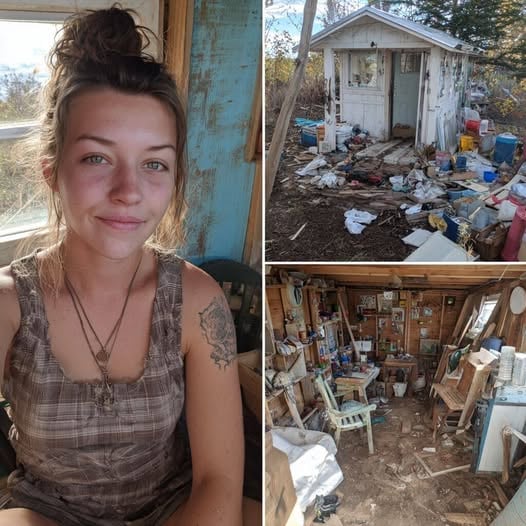
They Traded 2,000 Square Feet for 200 — and Found Freedom
Ten years ago, tiny homes were seen as a quirky minimalist trend — the kind of thing only idealists or van-lifers would try. But today? They’ve become a movement. With housing prices skyrocketing, rent eating paychecks, and environmental guilt creeping into everyday life, thousands are downsizing — not out of necessity, but out of choice.
Tiny homes — those compact 100–400 sq. ft. dwellings — are redefining what it means to live well. At first glance, it seems impossible: how can you fit a life into a space smaller than a two-car garage? But for many, that’s the point. Living small forces you to focus on what truly matters — not the stuff, but the freedom.
People are discovering that having less space can mean more life. No crushing mortgage, no clutter, no endless list of repairs. Just lower bills, less stress, and more time. Many tiny homeowners say the mental shift is as big as the downsizing itself — they sleep better, spend more time outdoors, and finally feel in control.
And the planet wins, too. Tiny homes sip energy instead of gulping it — using solar panels, rainwater systems, and composting toilets to live lightly on the earth. Many even go fully off-grid, cutting ties with utilities altogether. It’s sustainability, but make it stylish.
Beyond individuals, entire tiny home communities are popping up — pockets of people trading square footage for connection. They garden together, share tools, and redefine what modern neighborhoods can look like.
Of course, it’s not all Instagram-perfect minimalism. Space is tight, storage is scarce, and local laws can be frustrating. But for those who stick with it, the trade-off feels worth it.
In a world obsessed with more, the tiny home movement whispers something radical: maybe less is actually better.