
Attraction doesn’t always follow a predictable path. For some people, it is fluid, changing over days, months, or years. These shifts can be confusing and even isolating, especially in a world that often insists on clear-cut labels.
Yet for many, this fluctuating pattern of attraction is an authentic part of their identity—and it has a name: abrosexuality. Abrosexuality is a lesser-known LGBTQ+ identity that describes individuals whose sexual attraction shifts over time.
This could mean feeling drawn to one gender for a period, then feeling attracted to multiple genders later, or even experiencing periods of no sexual attraction at all.
Unlike traditional sexual orientations such as heterosexuality, homosexuality, bisexuality, or pansexuality—which specify the gender(s) someone is attracted to—abrosexuality emphasizes the changeability of attraction itself, rather than its target.

One Writer’s Journey to Understanding Abrosexuality
The concept of abrosexuality may seem abstract to those who have always experienced a consistent pattern of attraction, but for many, it is a defining part of their identity.
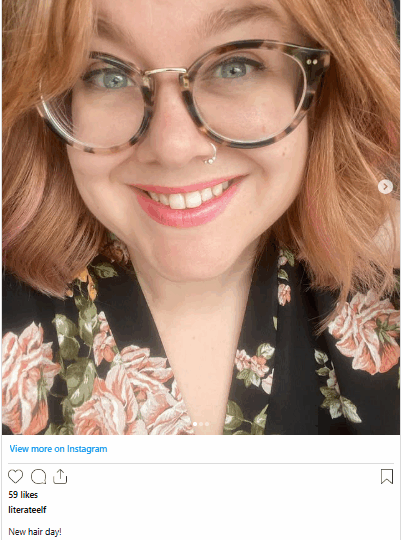
A vivid example comes from Emma Flint, a writer based in Staffordshire, England, who shared her personal journey in a Metro UK piece published in July 2024.
Flint’s story spans more than three decades, during which she grappled with fluctuating feelings of attraction that left her feeling uncertain about her identity.
For long stretches, she identified as a lesbian, only to later feel drawn to men, then no one at all, and then back again.
This constant shift made her feel lost, like being adrift at sea without a compass. “I felt like a fraud because of how much I changed my identity when chatting with loved ones,” she recalls.
“It wasn’t that I couldn’t make up my mind, but rather my identity shifted naturally. One day I felt like I was a lesbian; days or weeks later, I felt more aligned with bisexuality. My sexuality was fluid.”
The turning point in Flint’s journey came when she discovered the term “abrosexual” on an online forum. “Finally,” she writes, “I felt seen.” This moment of recognition highlights the importance of language and visibility in validating experiences that can feel confusing or marginal.
What Does It Mean to Be Abrosexual?
Abrosexuality, as Healthline reports, is a form of sexual fluidity. Someone who identifies as abrosexual experiences shifts in sexual attraction that can vary in intensity, focus, and timing. For example, a person might:
Feel attracted exclusively to men for a period, then later feel drawn to women or multiple genders.
Go through periods of little to no sexual attraction, which can resemble asexuality.
Experience long-term evolution, such as identifying as heterosexual for years before developing attraction toward people of other genders.
Unlike other sexual orientations that specify the gender of attraction, abrosexuality does not tie attraction to gender. Instead, it emphasizes that the experience of attraction itself is fluid and can change over time.
As Flint explains, “I love the person, rather than their gender, so it doesn’t matter if my sexuality fluctuates while I’m with them. The attraction shifts, but the connection remains authentic.”
Despite her clarity about her identity, Flint acknowledges that not everyone understands or accepts abrosexuality.
“Even after explaining this, there are always some people who demand that I ‘pick a lane’ so that my identity doesn’t offend them. I want people to know that just because you don’t understand an identity doesn’t make it less valid or authentic.”
How Abrosexuality Can Manifest
Abrosexual experiences are highly individual, and no single pattern defines the identity. Healthline offers examples that illustrate the diversity of experiences within this label:
Day-to-Day Shifts: An abrosexual person may feel exclusively attracted to one gender one day and wake up the next day drawn only to another gender. These shifts can happen frequently and unexpectedly.
Gradual Changes: Attraction may evolve more slowly over weeks or months. Someone might feel attracted to all genders for a period and later notice that they are drawn only to a particular gender.
Fluctuating Attraction Levels: Periods of little or no sexual attraction can alternate with periods of active attraction. These “asexual phases” are a natural part of some abrosexual experiences.
Long-Term Evolution: Attraction patterns may transform over years. A person might identify as straight for decades before realizing they are developing attraction to multiple genders.
These examples highlight that there is no right or wrong way to be abrosexual. The shifts are a natural part of the person’s experience, not a sign of confusion or indecisiveness.
Why Language Matters
Flint’s story underscores the critical role that terminology and visibility play in understanding sexual identities. Many people may go through life feeling “broken” or “out of place” simply because they have not yet encountered a word that describes their experience.
The emergence of terms like abrosexual helps provide clarity and community for people whose attraction does not fit into traditional labels.
It allows individuals to affirm their experiences, communicate them to others, and feel validated. Visibility also challenges the assumption that sexual identity must be fixed and static.
“Recognizing abrosexuality is not about being ‘on-trend’ or changing labels to fit a narrative,” Flint emphasizes. “It is about acknowledging that sexual attraction can be fluid, complex, and evolving—and that is okay.”
The Broader Context of Sexual Fluidity
Abrosexuality fits within a larger conversation about sexual fluidity. Studies and anecdotal reports have shown that many people experience changes in attraction throughout their lives, even if those changes are gradual or subtle. Fluidity can manifest in different ways:
Emotional attraction vs. sexual attraction: Someone may feel emotionally connected to one person but sexually attracted to another, and these attractions may shift independently.
Life experiences and personal growth: Exposure to different relationships, environments, and self-reflection can influence how people understand their sexual attraction.
Hormonal or psychological factors: Biological changes, stress, or mental health can also affect levels and types of attraction over time.

Understanding abrosexuality within this broader context helps normalize the idea that sexual identity is not always fixed and that variability does not diminish authenticity.
Common Misconceptions
Like many lesser-known LGBTQ+ identities, abrosexuality is often misunderstood. Some common misconceptions include:
“Abrosexual people are just confused.”
Fluctuating attraction is not confusion; it is a genuine experience of identity that does not adhere to static categories.
“Abrosexuality is a phase.”
While an individual’s attractions may change over time, this does not make the identity temporary. Many abrosexual people experience lifelong patterns of fluid attraction.
“You have to pick a lane.”
The demand to define oneself within traditional sexual orientations can invalidate the authentic experiences of abrosexual individuals. Identity is personal and evolving.
“Abrosexuality is the same as bisexuality.”
While there may be overlap, bisexuality refers specifically to attraction to two or more genders. Abrosexuality emphasizes the changeability of attraction itself, which may or may not involve multiple genders at any given time.
Moving Toward Acceptance
Education, representation, and visibility are key to understanding abrosexuality. Stories like Flint’s help normalize the experience, demonstrating that identity can be fluid and multifaceted.
They also provide comfort and community for individuals who might have felt isolated or “out of place” before discovering the label.
In addition to personal stories, online forums and social media groups have become important spaces for abrosexual individuals to connect, share experiences, and find validation.
These communities allow members to explore their attraction patterns without judgment and help foster broader awareness.
Flint expresses hope that one day, abrosexuality will be seen as a normal and respected identity: “We’re all learning new things about ourselves all the time—that’s what growth is about.
Eventually, I hope abrosexuality will be regarded simply as another identity someone might have, not as something unusual or trendy.”
Conclusion
Abrosexuality highlights the complexity and fluidity of human sexuality. It reminds us that attraction is not always linear, predictable, or fixed. Some people experience shifts in attraction that reflect the evolving nature of their emotions, experiences, and self-understanding.
By sharing stories, expanding language, and increasing visibility, society can better support individuals whose sexual attraction does not fit neatly into traditional categories.
Abrosexuality is not confusion, indecisiveness, or a trend—it is a legitimate and authentic identity that deserves recognition and respect.
For those navigating fluctuating attraction, discovering the term “abrosexual” can provide validation, community, and a sense of clarity.
As awareness grows, the hope is that more people will feel seen and understood, embracing the natural complexity of human sexuality without judgment.