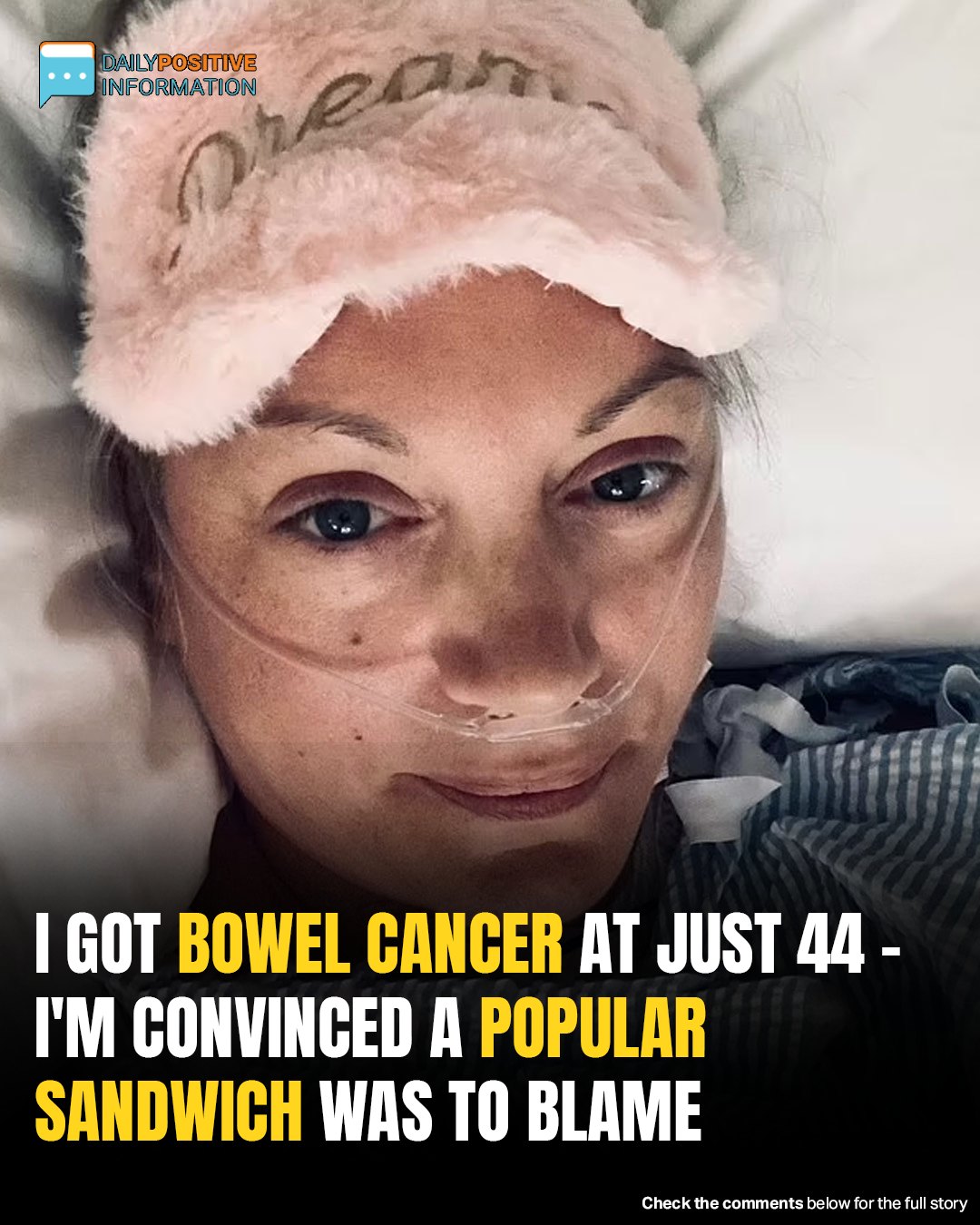
On November 7, 2019, my life split in two: before and after bowel cancer. At 44, I was told the lump in my colon was malignant — stage-four, already in my liver. As my husband drove us home from the hospital, I sat stunned, searching Google for answers.
Why me? I wasn’t over fifty, didn’t smoke, ate fruits and vegetables daily. But then I read study after study: processed meats — bacon, ham, salami — strongly linked to bowel cancer. Even 50 grams a day raises the risk by 18%. The World Health Organization had ranked them alongside tobacco and asbestos.
Suddenly, my memories turned sharp: bacon at brunch, sausages wrapped in bread, gammon at Christmas. I didn’t eat loads, but maybe it was enough. And worst of all, maybe I’d brought this on myself.
Treatment was brutal: chemotherapy, radiation, four surgeries. Each time I thought I was winning, the cancer came back. Finally, doctors offered me a rare chance — a liver transplant. I waited six agonizing months, until one summer evening, the call came. A donor liver had arrived. Nine hours later, I woke up alive, cancer-free, and overwhelmed with gratitude for the family who had given me this chance.
Recovery wasn’t easy — infections, hospital stays, constant monitoring — but I’m still here. And my family doesn’t touch processed meat anymore. At first, my kids pouted about missing pepperoni pizza, until I explained it was tied to cancer. Now, they don’t argue.
Processed meats stay pink and shelf-stable because of nitrite preservatives, the same chemicals used in antifreeze and pesticides. When cooked, they form compounds that damage DNA and cause cancer. Food companies know this, but it’s cheap, profitable, and convenient. That’s why governments must step in with regulations, health warnings, and safer standards.
I’m alive because of science, luck, and a stranger’s generosity. But every year, thousands die from bowel cancer tied to something as preventable as processed meat. We can’t accept that.
If consumers demand change — as we did with free-range eggs — the industry will follow. Until then, my story is a warning: sometimes what we eat shapes our fate more than we realize.