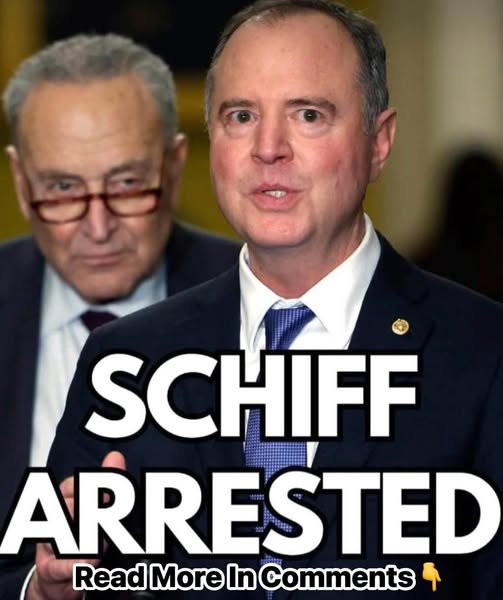
Fresh controversy surrounds Senator Adam Schiff as recently declassified FBI interview summaries have reignited long-standing accusations that he may have authorized the leaking of classified information during the Trump–Russia investigations. The revelations have prompted public debate over government transparency, political accountability, and the ethical boundaries of congressional authority.
According to documents obtained by Just The News, a whistleblower — described as a Democratic intelligence officer formerly assigned to the House Permanent Select Committee on Intelligence (HPSCI) — told the FBI in interviews between 2017 and 2023 that Schiff instructed staff to leak classified information. The alleged goal: to politically damage then-President Donald Trump and bolster the “Russiagate” narrative that dominated media and political discourse during Trump’s presidency.
One FBI interview summary reportedly states:
“SCHIFF stated the group would leak classified information which was derogatory to President … information would be used to indict President TRUMP.”
The whistleblower also claimed that Representative Eric Swalwell acted as a conduit for some of these leaks, sharing information with media outlets and political figures, allegedly as part of a broader strategy to influence public opinion and generate pressure for legal action against Trump.
Additionally, the documents allege that Schiff had been promised the position of CIA Director if Hillary Clinton had won the 2016 election — a role he never received, as Clinton lost.
Despite the seriousness of these claims, the Department of Justice reportedly chose not to pursue criminal charges. Legal experts suggest this decision may have been influenced by the Speech or Debate Clause of the U.S. Constitution, which shields members of Congress from prosecution for legislative activities, including internal discussions and speech made in the course of official duties.
While the whistleblower’s identity remains redacted, the summaries suggest the individual had access to high-level communications and decision-making within the Intelligence Committee. However, full corroboration of the claims is absent, and many details remain unverified.
If true, these allegations could represent a serious breach of national security protocols, highlighting the potential misuse of classified information for partisan or personal gain. Experts note that leaking sensitive intelligence undermines not only national security operations but also public trust in government institutions.
The complexity of the case lies in proving intent and direct responsibility within the protected legislative environment. The Speech or Debate Clause creates a legal shield that limits how far investigators can hold lawmakers accountable for internal deliberations. Nonetheless, several national security observers have described the whistleblower’s account as “deeply disturbing if accurate,” emphasizing the need for scrutiny even when allegations remain unproven.
In response, Schiff’s office denied all allegations, calling them “absolutely false” and suggesting they stem from a disgruntled former staffer with political or personal motives. Schiff, a polarizing figure due to his role in Trump impeachment proceedings and the Russia investigation, has not publicly addressed the declassified summaries’ specific content.
These developments raise pressing questions:
What happens when oversight officials are accused of misusing their power?
How can citizens ensure accountability when oversight occurs under legal protections and behind closed doors?
What safeguards should exist to prevent the politicization of classified information?
Ultimately, this situation underscores the delicate balance between transparency and secrecy, highlighting the importance of checks and balances. Citizens and institutions alike must weigh due process, presumption of innocence, and the moral imperative to hold those in positions of power accountable. In an era of blurred lines between governance and partisanship, integrity, accountability, and truth remain essential guiding principles.