
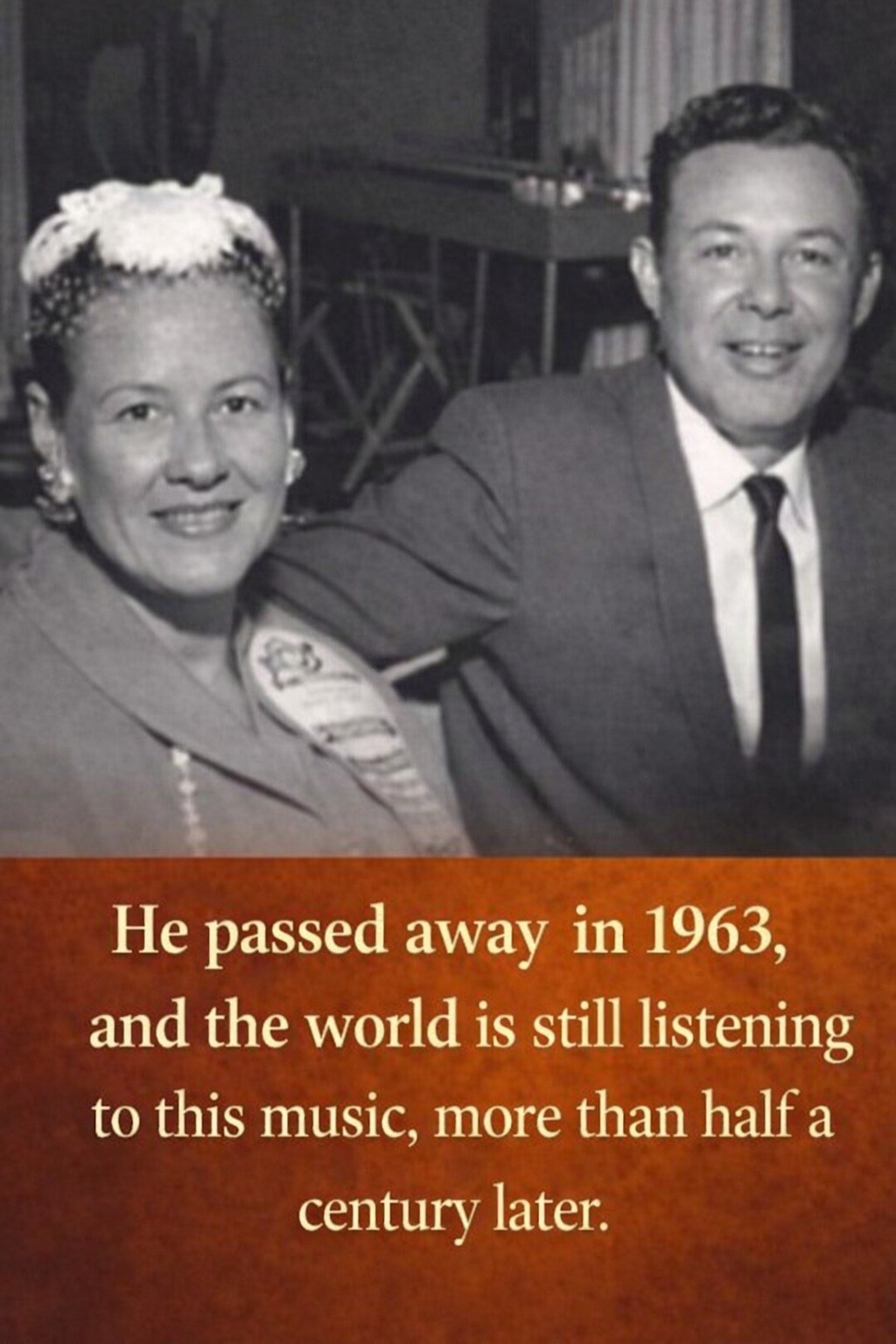
In 1960, as American music stood at a crossroads, one quiet song changed everything. While rock and roll was exploding and country music struggled to stay relevant on mainstream radio, a smooth, restrained recording slipped onto the airwaves and proved that subtlety could be just as powerful as spectacle. That song was “He’ll Have to Go” by Jim Reeves.
Unlike the sharp twang and driving rhythms that defined earlier country hits, this record relied on intimacy. The lyrics felt like a private phone call, almost whispered, capturing longing, vulnerability, and emotional restraint in a way listeners hadn’t heard before. Inspired by a real moment overheard in a bar, the song focused on a single emotional plea rather than a dramatic storyline, allowing audiences to place themselves inside the moment.
Producer Chet Atkins understood that less was more. He stripped the arrangement down, letting Reeves’ warm, steady baritone carry the weight of the song. The result became one of the clearest early examples of what would later be called the Nashville Sound—polished, emotional, and accessible beyond traditional country audiences.
The impact was immediate. “He’ll Have to Go” reached number one on the country charts and crossed over to pop radio, proving that country music could appeal to a wider audience without losing its soul. It also helped redefine Jim Reeves as a crossover artist, admired for calm confidence rather than volume or bravado.
More than sixty years later, the song still resonates. In a world full of noise, its quiet honesty feels timeless. “He’ll Have to Go” didn’t just top charts—it reshaped country music, reminding generations that sometimes the softest voice leaves the strongest echo.